
The Hotel Food Service Manager’s Guide to Equipment Liquidation
The Hotel Food Service Manager’s Guide to Equipment Liquidation
Managing food and beverage operations in a hotel is a complex balancing act of culinary excellence, guest satisfaction, and financial performance. When it’s time to renovate a restaurant, close a banquet kitchen, or simply upgrade aging assets, the task of equipment liquidation adds another layer of complexity. Unlike a standalone restaurant, hotel food service equipment…
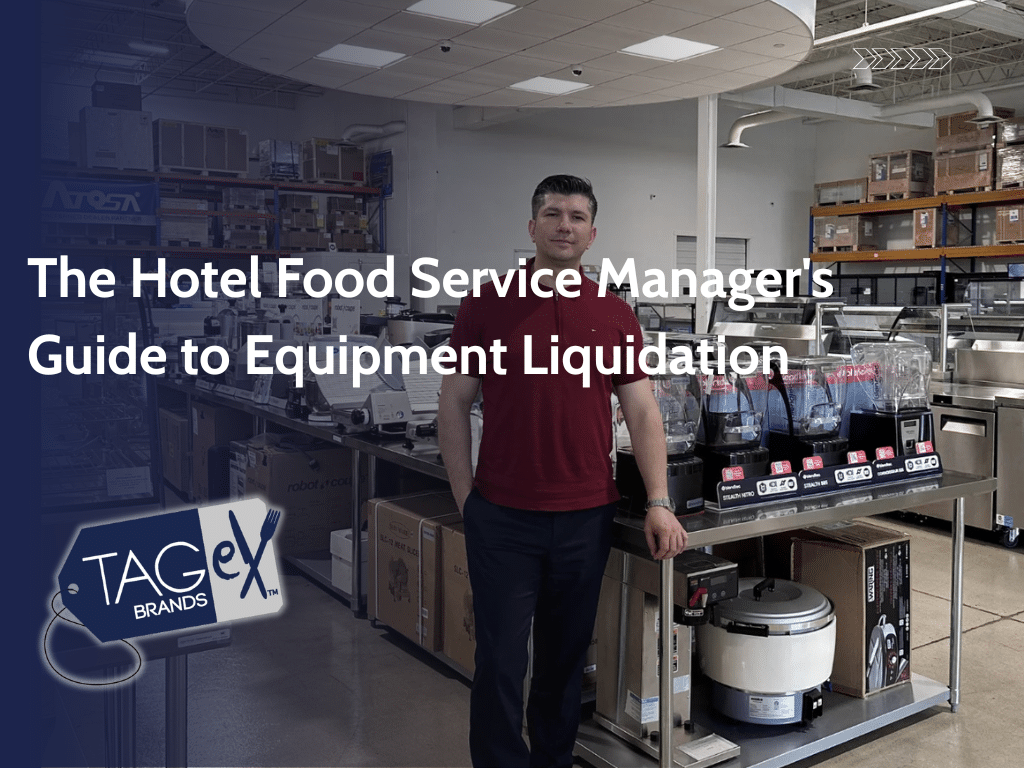
Managing food and beverage operations in a hotel is a complex balancing act of culinary excellence, guest satisfaction, and financial performance. When it’s time to renovate a restaurant, close a banquet kitchen, or simply upgrade aging assets, the task of equipment liquidation adds another layer of complexity. Unlike a standalone restaurant, hotel food service equipment liquidation involves unique challenges, from managing diverse inventory across multiple outlets to minimizing disruption to ongoing operations. This guide provides a clear framework for hotel F&B managers and operators to navigate this process, protect asset value, and make informed decisions for a successful outcome.
Why Hotel Equipment Liquidation Requires a Specialized Approach
Liquidating equipment from a hotel isn’t as simple as selling a few surplus ranges and refrigerators. The environment presents distinct challenges that demand a strategic plan. A failure to appreciate these nuances can lead to lost revenue, operational delays, and even damage to your property.
Diverse and Dispersed Inventory
A single hotel property can house multiple distinct F&B operations under one roof. You might have a fine-dining restaurant, a high-volume breakfast cafe, a poolside bar, a large-scale banquet and catering kitchen, and room service facilities. Each outlet has specialized equipment, from combi ovens and blast chillers in the main kitchen to espresso machines and undercounter ice makers in the cafe. Effectively inventorying, valuing, and marketing such a diverse collection of assets requires significant expertise.
Minimizing Operational and Guest Disruption
The golden rule of hospitality is to never disrupt the guest experience. Equipment removal must be meticulously planned around guest traffic, check-in/check-out times, and noise-sensitive hours. Moving heavy equipment through public lobbies, hallways, and service elevators requires a professional, insured team that can work efficiently and discreetly, often during off-peak or overnight hours.
Logistical Hurdles
Hotels are not warehouses. Access points can be challenging, involving freight elevators with specific weight and size limits, long corridors, and navigating around other hotel operations. A successful liquidation requires a partner with proven logistical expertise who can plan for these hurdles and execute a seamless removal without damaging your facility.
Defining Your Liquidation Goals: What’s Driving the Change?
The right liquidation strategy depends entirely on your objective. Are you clearing out a space for a full renovation, or are you managing the lifecycle of your assets across a portfolio? Understanding your primary goal is the first step.
Full Property Renovations or Rebranding
When a hotel undergoes a major renovation or rebrands, a large volume of F&B equipment often needs to be removed on a strict timeline. The primary goal is typically to clear the space quickly and efficiently to make way for contractors. Here, maximizing financial return is balanced against the critical need to meet construction deadlines.
Closing a Specific Food & Beverage Outlet
Perhaps your lobby bar is being converted into a retail space, or an underperforming restaurant concept is being retired. In this scenario, you need to liquidate the assets from that specific footprint. You may also want to identify certain pieces that can be redeployed to other outlets within the property or sister locations, requiring a partner with asset management capabilities.
Managing Ongoing Surplus and Equipment Upgrades
Even without major projects, kitchens generate surplus equipment. An old convection oven is replaced, a menu change makes a specialty broiler obsolete, or you simply have excess banquet tables and chairs in storage. An effective ongoing liquidation program allows you to continuously convert these dormant assets back into working capital instead of letting them take up valuable storage space.
Key Steps in the Hotel Food Service Equipment Liquidation Process
A structured approach ensures that no detail is missed and that you achieve the best possible outcome. Following a clear process removes guesswork and minimizes risk.
Step 1: Conduct a Comprehensive Asset Inventory
You can’t sell what you don’t know you have. The first step is to create a detailed catalog of every piece of equipment slated for liquidation. This inventory should include:
- Item description (e.g., Double Stack Gas Convection Oven)
- Manufacturer and model number
- Serial number
- Dimensions
- Photos from multiple angles
- Notes on condition (working, needs repair, for parts)
- Any available service records
This data is the foundation for accurate valuation and effective marketing. A professional partner can manage this entire process for you, using proprietary tools to ensure data accuracy.
Step 2: Evaluate Your Sales Options
You have several paths for liquidating your assets, each with pros and cons:
- Sell It Yourself: Listing items on platforms like Craigslist or Facebook Marketplace gives you full control and you keep 100% of the sale price. However, this is incredibly time-consuming, requires you to manage dozens of inquiries, handle payment collection, and vet buyers who will be entering your property.
- Local Used Equipment Dealers: A dealer will offer you a lump sum for your equipment. This is fast and gets you cash upfront. The major downside is that the offer will be very low, as the dealer needs to cover their own costs for removal, storage, and marketing while turning a profit.
- Partner with a Consignment Specialist: A consignment-based firm manages the entire process on your behalf—from inventory to marketing, sales, and coordinating removal. You don’t get paid upfront, but you benefit from their national buyer audience and market expertise, which typically results in a much higher net return. Understanding how this model works is key to maximizing value without absorbing all the work yourself.
Step 3: Execute a Professional and Safe Removal
Once items are sold, they must be removed. This is a critical stage, especially in a hotel. Insist that any party removing equipment—whether it’s a third-party buyer or your liquidation partner’s team—is fully insured. A single accident damaging a wall, doorway, or flooring can easily erase any profit you made on the sale.
Common and Costly Mistakes to Avoid
Many F&B managers, tasked with liquidation for the first time, fall into predictable traps. Being aware of them can save you significant time and money.
- Underestimating the Timeline: A proper liquidation takes time. Inventory, marketing, sale, and removal can take several weeks. Starting the process too late can force you into a fire sale or paying for costly storage.
- Poor Documentation: Without clear photos and accurate descriptions, potential buyers will be hesitant to bid or will bid low. A blurry photo of a dirty oven won’t attract top dollar.
- Ignoring Marketing Reach: Your local market may not have a buyer for a specialized piece of banquet equipment. A partner with a national database and presence on multiple online marketplaces can connect your assets to the right buyers across the country, creating competition and driving up prices.
- Setting Unrealistic Price Expectations: Used equipment value is based on market demand, condition, and brand—not what you originally paid for it. Rely on an expert valuation to set realistic goals.
Choosing the Right Liquidation Partner for Your Hotel
The right partner acts as an extension of your team, managing the project so you can focus on your core responsibilities. When vetting a liquidation company, ask about their experience with hospitality clients. They should understand your unique operational constraints. Look for a partner who offers a transparent process and provides robust reporting so you can track the status of your assets. The ability to sell your commercial equipment through multiple channels, like online auctions and direct sales platforms, is crucial for reaching the widest possible audience and achieving a high sell-through rate.
Maximize Your Return with a Strategic Approach
Hotel food service equipment liquidation is more than just an operational task; it’s a financial opportunity. A well-executed strategy turns surplus and end-of-life assets into valuable capital that can be reinvested into your property. By understanding the unique challenges of the hotel environment, following a structured process, and selecting a partner with proven expertise in the hospitality sector, you can ensure a smooth, professional, and profitable outcome.
TAGeX Brands has over 30 years of experience helping hotel and foodservice operators across the country manage and liquidate their equipment assets. Our consignment model is designed to maximize your financial return while our team handles every detail, from on-site inventory to coordinated removal. If you’re planning a project, contact us for a no-obligation consultation to learn more about your options.
Related posts
Related posts
The latest from our blog
-
How to Sell Restaurant Equipment in Los Angeles, CA: A Local Operator’s Guide
In the dynamic and hyper-competitive Los Angeles dining scene, change is the only constant…. -
How to Sell Restaurant Equipment in Arlington, TX: A Local Operator’s Guide
The Arlington restaurant scene is as dynamic as they come, fueled by a constant… -
A Restaurant Operator’s Guide: How to Sell to Used Foodservice Equipment Buyers
Whether you’re closing a location, upgrading your kitchen, or managing surplus assets from a…