
The School Cafeteria Manager’s Guide to Equipment Liquidation
The School Cafeteria Manager’s Guide to Equipment Liquidation
Managing a school foodservice operation involves constant planning, from menu cycles to budget allocations. When the time comes for a major kitchen upgrade, facility consolidation, or even a closure, you’re faced with a significant challenge: what to do with the surplus equipment? The process of school cafeteria equipment liquidation can seem daunting, filled with district…
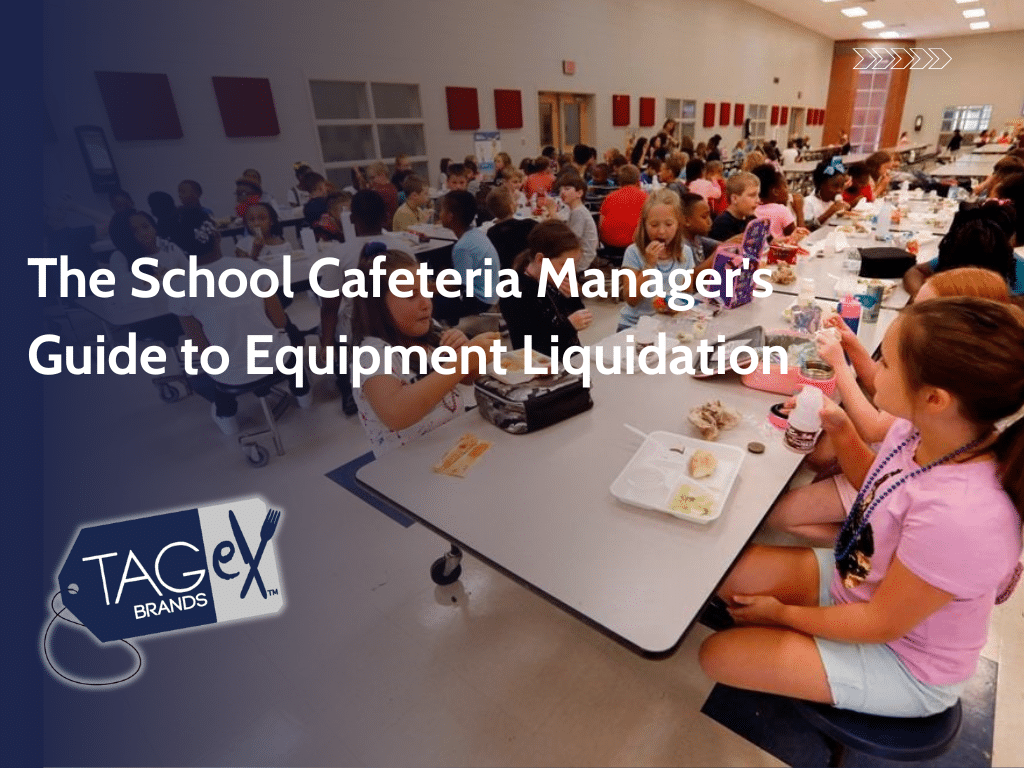
Managing a school foodservice operation involves constant planning, from menu cycles to budget allocations. When the time comes for a major kitchen upgrade, facility consolidation, or even a closure, you’re faced with a significant challenge: what to do with the surplus equipment? The process of school cafeteria equipment liquidation can seem daunting, filled with district regulations, logistical hurdles, and the pressure to recover maximum value for taxpayers. This guide provides a clear, practical roadmap for cafeteria managers and district administrators to navigate this process efficiently and effectively.
Unlike a commercial restaurant, school kitchens operate under unique constraints. The equipment is often heavy-duty, built for high-volume production, and subject to specific procurement and disposal rules. A successful liquidation isn’t just about selling old gear; it’s about executing a well-planned project that minimizes disruption, meets deadlines, and returns capital that can be reinvested into your programs.
Why Liquidate? Common Scenarios for School Kitchens
The need to liquidate equipment arises from several common situations within a school district. Recognizing your scenario is the first step in planning a successful exit strategy for your assets.
- Major Renovations or Upgrades: Your district is investing in a kitchen modernization project. This often means replacing entire cooking lines, refrigeration systems, or dishwashing areas. The old equipment, while perhaps still functional, no longer fits the new workflow or technology standards.
- School Closures or Consolidations: Due to shifting enrollment or district restructuring, a school may be closing permanently. This requires the complete clearing of the facility, including the entire kitchen and cafeteria inventory.
- Menu Redevelopment: A district-wide shift in nutritional programs, such as removing deep-fried foods or introducing more fresh preparation, can render specific equipment like large-vat fryers or extensive holding cabinets obsolete.
- End-of-Life Equipment: While some older equipment may seem to have no value, even non-functional units can have recovery value through parts harvesting or scrap metal. Leaving them in storage indefinitely incurs costs and takes up valuable space.
- Efficiency Initiatives: You might replace several smaller units with a single, high-capacity combi oven or blast chiller. Liquidating the redundant equipment is a necessary part of realizing the project’s full ROI.
The Unique Challenges of Selling School Foodservice Equipment
Selling institutional kitchen equipment isn’t as simple as posting an ad online. School facility managers face a distinct set of obstacles that can complicate the process and diminish returns if not handled correctly.
Navigating Internal Policies
School districts have strict protocols for the disposal of assets. You must navigate a chain of command that may include the business office, the facilities department, and the school board. This often involves paperwork, approvals, and adherence to public auction or sealed-bid requirements that can slow the process down.
Specialized, High-Capacity Equipment
A 60-gallon steam-jacketed kettle or a 30-foot pass-through dish machine doesn’t have the same broad appeal as a standard six-burner range from a small restaurant. The secondary market for this type of high-volume, specialized equipment is smaller, requiring a marketing strategy that reaches the right buyers across the country, not just locally.
Logistical and Timing Constraints
The most significant challenge is often removal. Equipment must typically be removed during specific windows, like summer or winter breaks, to avoid disrupting school operations. This requires a tightly coordinated effort involving skilled, insured riggers who can safely disconnect utilities and move heavy, bulky items out of the building without causing damage.
Your Options for School Cafeteria Equipment Liquidation
When you have surplus equipment, you generally have four paths you can take. Each has distinct pros and cons that you must weigh against your district’s goals, timeline, and resources.
1. Internal Redeployment
Description: Moving a piece of equipment from one school to another within the same district.
Pros: The most cost-effective option, as it avoids a new purchase. It’s a great first choice for assets in good condition.
Cons: Can be logistically complex and expensive to move. You also risk simply transferring an aging or unreliable asset to a new location, creating future problems there.
2. Local Sale or Scrap
Description: Attempting to sell items one by one through local classifieds, online marketplaces, or directly to a scrap dealer.
Pros: Seems straightforward for one or two small items.
Cons: Extremely time-consuming for staff, yields the lowest financial return, and poses security risks associated with having strangers on school property for inspections and pickups.
3. Standard Government Surplus Auction
Description: Listing the equipment on a municipal or state-run surplus website.
Pros: Follows a transparent, established process that often satisfies district rules.
Cons: These platforms have a very limited audience, primarily local bidders looking for extreme bargains. This results in rock-bottom prices and a high percentage of unsold items.
4. Partnering with a Consignment Liquidation Specialist
Description: Engaging a professional company that manages the entire sale process on your behalf. On a consignment model, the partner markets your assets through their established channels and remits the proceeds to you after the sale, minus a commission.
Pros: Access to a massive, national buyer pool, expert valuation, professional marketing, and complete project management. This is the most hands-off approach and typically yields the highest net return.
Cons: You are paying a commission for the service, but this is usually far outweighed by the higher sale prices and staff time saved.
A Professional Step-by-Step Liquidation Process
Working with a professional partner like TAGeX Brands transforms a logistical headache into a managed project. The process ensures that nothing is missed and that value is maximized. Understanding what we do clarifies how a structured approach benefits your school district.
Step 1: Project Assessment and Goal Setting
A specialist will work with you to understand your timeline (e.g., must be cleared before July 1st), inventory, and financial goals. They help you decide which items should be redeployed internally versus sold.
Step 2: Professional Inventory and Cataloging
Every single asset is photographed, documented, and cataloged with critical details like make, model, serial number, dimensions, and condition. This professional presentation is crucial for attracting serious buyers and achieving higher bids.
Step 3: Strategic Marketing to a National Audience
This is where a partner adds immense value. Instead of just a local listing, your equipment is marketed across multiple high-traffic online marketplaces, reaching hundreds of thousands of potential buyers, including other school districts, independent restaurants, and used equipment dealers nationwide.
Step 4: Management of Sale and Buyer Communication
The partner handles all buyer inquiries, collects all payments securely, and manages the entire transaction process, freeing up your staff to focus on their core responsibilities.
Step 5: Coordinated and Insured Equipment Removal
A liquidation specialist coordinates a professional, insured removal team to execute the equipment pickup on a strict schedule. This ensures the facility is cleared safely, on time, and handed back in broom-swept condition, satisfying the requirements of your renovation contractor or property manager.
Get the Best Value: A Final Checklist for Managers
Before you begin the liquidation process, a little preparation can significantly impact your financial return. Taking these steps gives you the best chance to recover more funds for your school’s programs.
- Clean Thoroughly: Equipment that is clean and well-presented sells for significantly more. A weekend of deep cleaning can pay for itself many times over.
- Gather Documentation: If you have owner’s manuals or service records, make them available. This builds buyer confidence.
- Be Realistic: Understand that used equipment depreciates. The goal is to recover the highest possible *market* value, not the original purchase price.
- Don’t Wait: The biggest mistake is waiting until the last minute. Starting the conversation with a liquidation partner 2-3 months before your deadline gives you more options and leverage. The sooner you start to plan, the smoother the process will be when you are ready to sell your commercial equipment.
Partner with an Expert for Your School Kitchen Liquidation
Your time is best spent running your foodservice program, not trying to become an expert in used equipment sales and logistics. A managed school cafeteria equipment liquidation provides a predictable, professional, and profitable solution. By leveraging a consignment partner, you ensure your surplus assets are marketed to the widest possible audience, recovering crucial capital to support your students and staff.
If your school district is facing a kitchen renovation, consolidation, or closure, contact TAGeX Brands. With over 30 years of experience, we can provide a no-obligation consultation to help you understand the value of your assets and build a liquidation plan that meets your district’s specific needs.
Related posts
Related posts
The latest from our blog
-
How to Sell Restaurant Equipment in Los Angeles, CA: A Local Operator’s Guide
In the dynamic and hyper-competitive Los Angeles dining scene, change is the only constant…. -
How to Sell Restaurant Equipment in Arlington, TX: A Local Operator’s Guide
The Arlington restaurant scene is as dynamic as they come, fueled by a constant… -
A Restaurant Operator’s Guide: How to Sell to Used Foodservice Equipment Buyers
Whether you’re closing a location, upgrading your kitchen, or managing surplus assets from a…