
Selling Kitchen Equipment After a Remodel: A Complete Guide
Selling Kitchen Equipment After a Remodel: A Complete Guide
A restaurant remodel is an exciting, high-stakes investment in your future. But as the new floor plans are finalized and shiny new equipment is ordered, a critical question emerges: What do you do with the old equipment? For many operators, the process of selling kitchen equipment after a remodel becomes a distracting and often unprofitable…
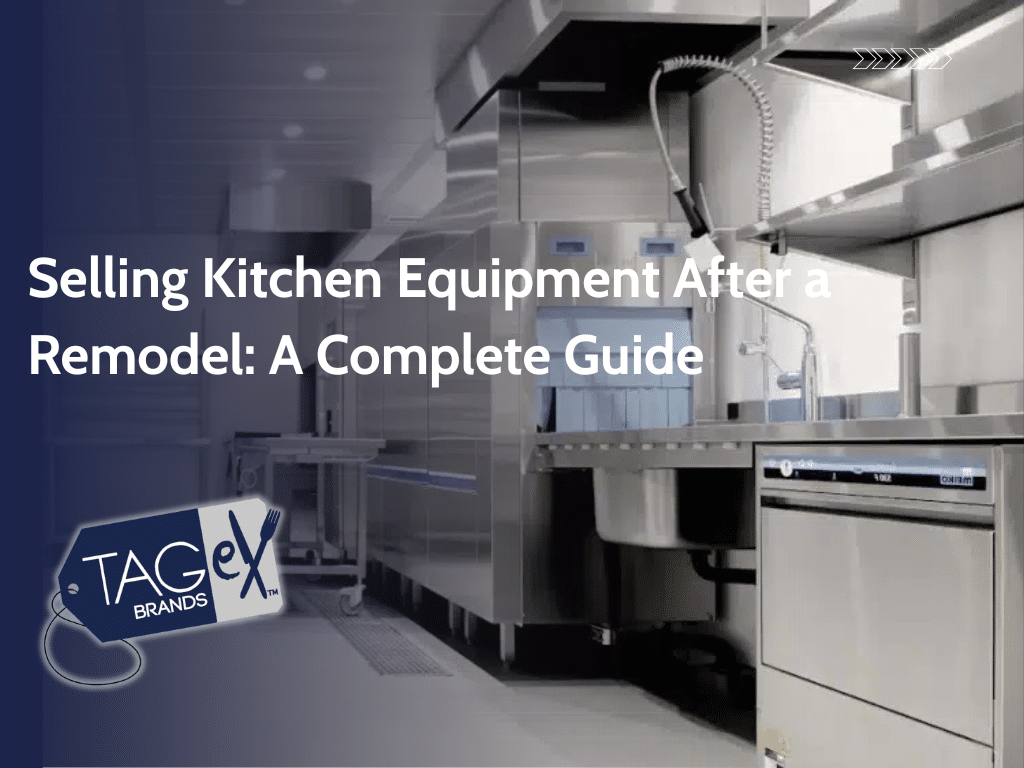
A restaurant remodel is an exciting, high-stakes investment in your future. But as the new floor plans are finalized and shiny new equipment is ordered, a critical question emerges: What do you do with the old equipment? For many operators, the process of selling kitchen equipment after a remodel becomes a distracting and often unprofitable afterthought. The goal isn’t just to get rid of it; it’s to recover maximum value without disrupting your timeline or pulling your focus from the successful launch of your newly renovated space. This guide provides a practical, step-by-step approach to navigating this specific challenge.
Why Selling Post-Remodel is a Unique Challenge
Unlike a full business closure where liquidating everything is the single focus, selling equipment during a renovation happens amidst controlled chaos. You’re juggling contractors, staff training, and marketing for your grand reopening. The old equipment presents a unique set of logistical and financial hurdles.
First, there’s the timeline. Your old six-burner range and convection oven need to be gone on a specific day to make room for the new ones. There is no flexibility. Storing them is rarely an option, as space is at a premium and paying to move heavy equipment twice eats into any potential profit. Second, you’re dealing with a mixed bag of assets. Some pieces, like a reliable stand mixer, might be perfectly functional but no longer fit the new workflow. Others may be nearing the end of their useful life. Differentiating between what has real resale value and what’s better off being scrapped is a crucial first step that many busy operators overlook.
Valuing Your Used Equipment: What’s It Really Worth in 2026?
One of the biggest mistakes operators make is anchoring their price expectations to the original purchase price. Commercial kitchen equipment depreciates quickly. The key to successful recovery is understanding the current secondary market value. Condition, brand, age, and demand are the primary drivers of price.
Here are some realistic expectations for common items:
- High-Demand Equipment: Well-maintained pieces from top-tier brands like Hobart, True, Traulsen, and Blodgett hold their value best. A 5-year-old Hobart HL600 60-quart mixer that cost $20,000 new might realistically sell for $6,000 – $8,500. A 3-year-old True T-49F reach-in freezer could fetch $1,500 – $2,200.
- Mid-Range Equipment: Standard workhorses like stainless steel prep tables, multi-well steam tables, and quality convection ovens fall here. A 5-year-old, single-deck gas convection oven from a brand like Vulcan or Southbend might sell for $1,200 – $2,000, depending on its condition.
- Low-Value Equipment: Older, heavily used fryers are notoriously hard to sell due to cleaning and shipping challenges. Custom-fabricated items like oddly shaped stainless steel counters or exhaust hoods are built for your specific space and have very little value to others. Their value is often close to the scrap metal price.
The best way to get an accurate number is through a professional valuation. At TAGeX, our Asset Intelligence & Valuation services provide data-backed assessments to help you understand exactly what your surplus assets are worth before you make a decision.
The Step-by-Step Process for Selling Surplus Equipment
A structured approach to selling kitchen equipment after a remodel will save you headaches and maximize your return. Whether you handle it yourself or work with a partner, the fundamental steps are the same.
Step 1: Inventory, Clean, and Assess. Create a detailed list of every item you plan to sell. Include the brand, model number, serial number, age, and dimensions. Take clear, well-lit photos from multiple angles. Most importantly, ensure the equipment is thoroughly cleaned. A clean unit sells faster and for a higher price. Be honest about the condition—is it in perfect working order or does it need repairs?
Step 2: Choose Your Sales Channel. You have two primary options: go it alone or partner with a professional liquidator. Selling DIY on platforms like Facebook Marketplace or Craigslist gives you full control, but it also means you’re responsible for everything: fielding inquiries from tire-kickers, negotiating prices, processing payments, and arranging pickup. This can be a full-time job you don’t have time for.
Step 3: Manage the Logistics. This is the most critical and often underestimated step in a remodel scenario. Who is professionally disconnecting the gas, plumbing, and electrical lines? Who is physically moving a 600-pound range out the door without damaging your new floors? You need a clear, insured plan for removal that aligns perfectly with your contractor’s schedule.
Common Mistakes to Avoid When Selling After a Renovation
Navigating an equipment sale during a remodel is fraught with potential missteps. Avoiding these common errors will lead to a smoother process and better financial outcome.
- Setting Unrealistic Prices: Basing your asking price on what you paid or what you need to recover, rather than what the market will bear.
- Poor Presentation: Posting dark, blurry photos of dirty equipment with vague descriptions like “works good.” Buyers need model numbers and clear proof of condition.
- Ignoring Decommissioning Costs: Forgetting to budget for the professional labor required to safely disconnect and remove equipment.
- Underestimating Your Time: Wasting dozens of hours responding to lowball offers and scheduling no-show pickups when you should be focused on your business.
- Mismanaging the Timeline: Failing to have a concrete plan for removal, causing costly delays for your renovation contractors.
- Choosing the Wrong Partner: Opting for a local buyer who offers a low, bulk price for everything just to get it out the door, leaving significant money on the table.
How TAGeX Brands Can Help
For over 30 years, TAGeX Brands has specialized in helping foodservice operators manage exactly these types of situations. We understand you need to focus on your remodel, not on becoming an equipment reseller. We operate on a consignment model designed to maximize your return with zero hassle for you. You don’t sell to us; you partner with us to sell your equipment for you.
Our process is simple and transparent. We handle the entire project from start to finish. Our team will organize, document, and inventory every asset you need to sell. We then develop a customized marketing strategy and launch your items across our powerful national sales channels, including our flagship auction marketplace RestaurantEquipment.bid, which receives up to one million views per day. This massive exposure ensures true market value for your assets. You can learn more about how TAGeX works and our comprehensive services for operators.
We manage all buyer inquiries, collect all payments, and coordinate a professional and timely removal that works with your renovation schedule. With a 98.5% successful sales rate, you can be confident your equipment will sell. Once the sale is complete, we remit the proceeds directly to you. This allows you to stay completely hands-off and focus on what matters most: your business. If you want to sell your commercial equipment without the stress and distraction, our model is built for you.
Focus On Your Future, Let Us Handle the Past
Your restaurant remodel is a step toward a more profitable future. Don’t let the challenge of dealing with used equipment pull you away from that goal. Partner with an expert who can manage the entire liquidation process, maximize your financial recovery, and clear your space on schedule. Contact TAGeX Brands today for a no-obligation consultation about your project. Let us show you how we can turn your surplus assets into working capital for your new kitchen.
Related posts
Related posts
The latest from our blog
-
How to Sell Restaurant Equipment in Los Angeles, CA: A Local Operator’s Guide
In the dynamic and hyper-competitive Los Angeles dining scene, change is the only constant…. -
How to Sell Restaurant Equipment in Arlington, TX: A Local Operator’s Guide
The Arlington restaurant scene is as dynamic as they come, fueled by a constant… -
A Restaurant Operator’s Guide: How to Sell to Used Foodservice Equipment Buyers
Whether you’re closing a location, upgrading your kitchen, or managing surplus assets from a…